
Let me start with respect. Lebanon is home to some of the best restaurant owners, chefs, and hospitality professionalsin the world. Our service standards are outstanding. The food is often exceptional. The experience is vibrant, soulful, and uniquely Lebanese.
But…
We need to talk about the prices.
Go out for lunch or dinner in Beirut today, and you’ll likely walk away with a bill that rivals what you’d pay in Paris or Dubai. We’re not talking about Michelin-star restaurants or fine dining experiences—we’re talking about your average weekend spot in Mar Mikhael, Batroun, or Achrafieh.
The question is simple: Why are we being charged luxury prices in a country where the economy is still reeling?
The Numbers Tell the Story
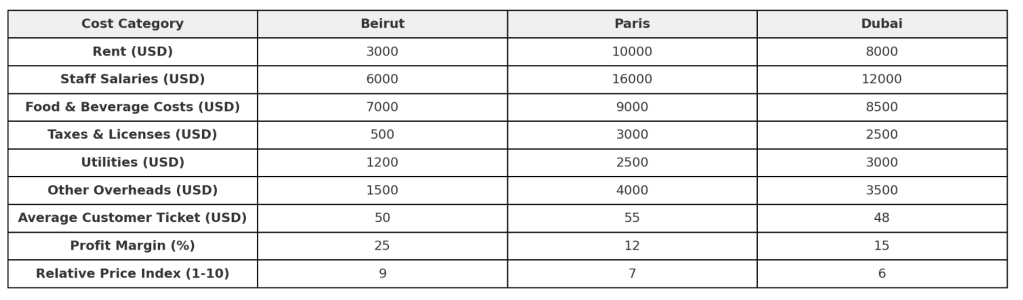
Conclusion?
Beirut has significantly lower operating costs, yet the customer bill is often just as high, if not higher.
This isn’t a comparison to shame. It’s a call for logic.
Is Profit the Only Measure?
Of course, restaurants need to make a profit. We want them to succeed. They provide jobs, culture, and joy. But when the pricing becomes disconnected from the real economy and local spending power, something’s wrong.
And it’s not sustainable.
You can’t build loyalty with overcharging. You can’t grow tourism when foreigners are shocked by bills. You can’t ask people to “support local” when the check makes them feel scammed.
We don’t need price control—we need price responsibility.
What Should Be Done?
- Transparency: Post average price per person clearly. Set expectations.
- Pricing Based on Reality: Respect that the Lebanese consumer today earns a fraction of what the expat in Dubai does.
- Offer Options: Include mid-range and entry-level dishes on menus—not just $20 salads.
- Celebrate Simplicity: You don’t need imported ingredients to create magic. Let Lebanese cuisine shine in its authenticity.
- Hold the Trend Tax: Just because the view is nice or the vibe is loud doesn’t justify doubling prices.
Time to Rethink the Bill
Based on comparative costs between Beirut, Paris, and Dubai, Lebanese restaurants operate with significantly lower expenses—yet charge nearly the same. When you factor in rent, salaries, utilities, and taxes, the average price per meal in Lebanon should be approximately 30–40% cheaper to reflect true economic balance and local purchasing power. It’s not about lowering standards—it’s about restoring fairness.
Final Word: We Love Our Restaurants. We Want Them to Last.
This isn’t an attack—it’s a plea from loyal customers. We want to keep coming back. We want you to thrive. But we also want to feel respected at the table.
We believe Lebanon can be both a gastronomic capital and a country that values its own people.
We believe we can charge fairly and serve excellently.
Just because people still go out doesn’t mean they can afford it.
Just because tourists come doesn’t mean they’ll come back.
Let’s raise our standards, without raising the bill.
 Brand Lebanon
Leave a comment