
.
A flag is more than just fabric, it is the soul of a nation. It represents the collective identity, history, and future of its people. It is a unifying force that transcends politics, religion, and divisions. It is sacred, a symbol of sacrifice, resilience, and the aspirations of an entire nation.
In Lebanon, however, the flag has been overshadowed. In every street, neighborhood, and public square, the national flag is often drowned by the colors of political parties, sectarian symbols, and foreign banners. This is not just an aesthetic issue, it is a psychological and cultural crisis that weakens the very foundation of Lebanon’s identity. No country can build a strong national brand without rallying its people under one flag.
Why Flags Matter: The Power of a Nation’s Banner
In every successful nation, the flag is sacred, untouchable, and universally respected. It is the single most visible representation of a country’s values, struggles, and victories.
A Flag is a Nation’s Brand
The Lebanese brand cannot exist without bringing back the power of the Lebanese flag. Countries that have successfully branded themselves, France, Turkey, Japan, the United States, have built their identity around their national flag.
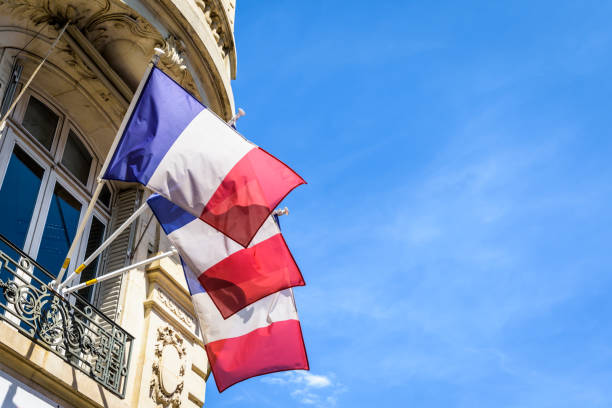
In France, the Tricolore is everywhere, meticulously maintained, respected, and protected by law. It is displayed with dignity on government buildings, schools, and homes. Every French citizen understands that their flag represents the ideals of liberty, equality, and fraternity.
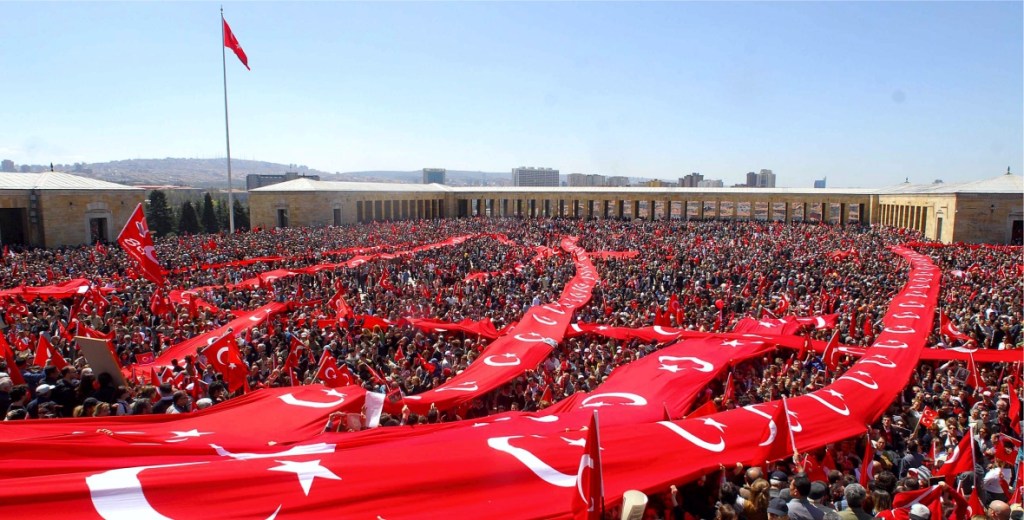
In Turkey, the national flag is more than a symbol, it is a matter of national pride and identity. Turks venerate their flag; it is displayed on every building, every school, every shop, and every public square. Insulting or disrespecting the flag is considered an attack on the nation itself. This deep respect has helped Turkey unify and reinforce its identity, despite its political challenges.

In the United States, the Stars and Stripes is a rallying symbol for all Americans, regardless of political affiliation. It is guarded with strict protocols, it must never touch the ground, it must be well-lit at night, and it must always be flown with respect. It represents unity, patriotism, and the resilience of a people who believe in their country.
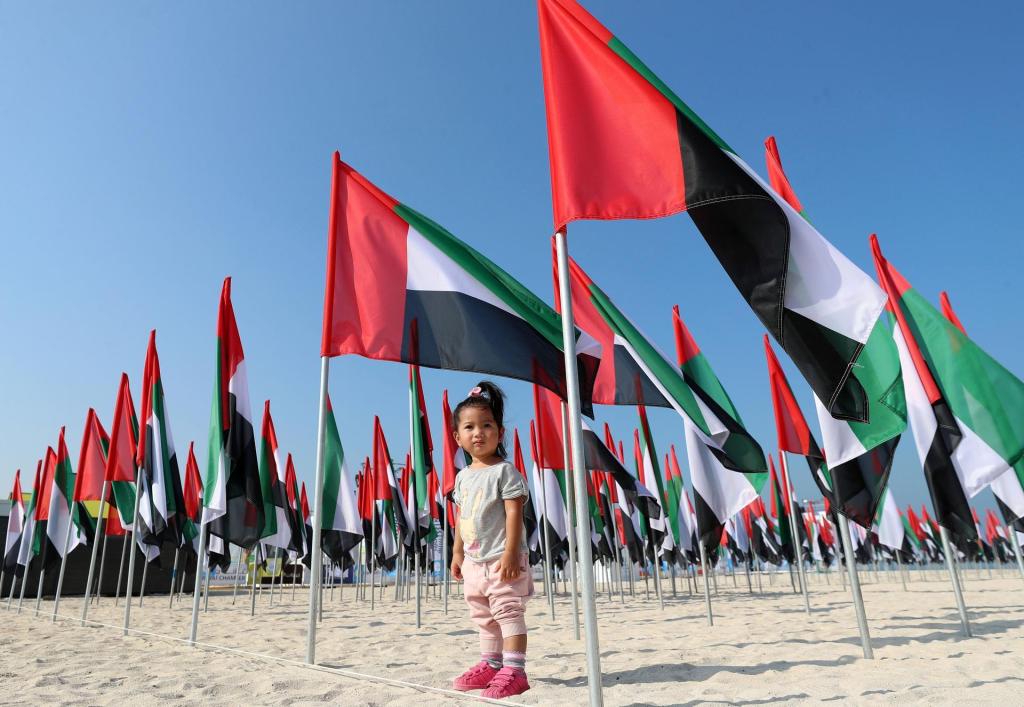
In the UAE, the flag is a symbol of unity, ambition, and pride. Every Flag Day, Emiratis proudly raise their flag, honoring their nation’s strength and progress. Displayed with respect and dignity, it reflects the UAE’s unwavering national identity and unity.
Now, look at Lebanon. The national flag, instead of being the dominant symbol of unity, is fading behind the banners of political parties, foreign powers, and sectarian divisions. This fragmentation has only weakened Lebanon’s national brand, preventing it from becoming a true “love brand” that inspires admiration and loyalty worldwide.
A Flag Unites, Political Banners Divide
The Lebanese flag should be the only flag visible on public streets, squares, and institutions. Political parties have the right to their symbols, but they should remain inside their headquarters and offices, not take over the national landscape.
Imagine walking through Beirut and seeing only the red, white, and green of the Lebanese flag, proudly displayed in every district, every school, every government building. No more divisions, just one symbol, one nation, one people. This is how countries strengthen their identity and unity.
The Psychological Power of a Flag
Studies in psychology and sociology show that national symbols, particularly flags, have a profound impact on collective identity. When citizens constantly see their national flag, they develop a stronger sense of belonging and national pride.
In Japan, children are taught from a young age to respect the flag, bow to it, and understand its historical significance.
In Germany, after World War II, the flag became a tool for national renewal and unity. Today, Germans proudly wave their flag during sports events, political gatherings, and national celebrations.
In South Korea, the national flag is a powerful tool of economic and cultural branding, symbolizing innovation, resilience, and global influence.
Lebanon needs this kind of collective national consciousness. The Lebanese flag must dominate the public space, not be a secondary symbol hidden behind political and sectarian banners.
When the Flag is Weakened, the Nation Suffers
History has shown that when a country’s national flag loses its authority, division and instability follow.
Iraq (2003–2010): After the fall of Saddam Hussein, Iraq was flooded with different sectarian and political flags. The national flag lost its prominence, reflecting the country’s deep divisions. It took years to re-establish a single, unified flag that represented all Iraqis.
Yugoslavia (1990s): As different ethnic and political factions started raising their own flags instead of the Yugoslavian flag, the country descended into civil war, ultimately leading to its collapse.
Lebanon (1975-1990): During the Lebanese Civil War, the national flag disappeared from many areas, replaced by militia banners. This was a symbol of division, fragmentation, and loss of national identity.
Lebanon must never repeat these mistakes. We must reclaim our flag as the single, untouchable symbol of national unity.
How Lebanon Can Restore the Power of Its Flag
Ban the Use of Non-National Flags in Public Spaces
- Political party flags should only be displayed in party offices and private events.
- Only the Lebanese flag should fly on government buildings, streets, and public squares.
Launch a National Flag Revival Campaign
- Schools must educate children about the meaning and importance of the Lebanese flag.
- Businesses, municipalities, and institutions should proudly display the flag as a symbol of unity.
- The government must enforce strict laws to protect the flag from being disrespected or misused.
Encourage Citizens to Take Pride in Their Flag
- Lebanese homes, businesses, and public spaces should display the flag with pride and dignity.
- A campaign should be launched on social media, television, and public spaces reminding people that the Lebanese flag is their identity.
A Flag that Represents the Future
- The Lebanese flag must become a symbol of hope, progress, and renewal.
- Every effort to rebrand Lebanon as a love brand must start with making the Lebanese flag the heart of the nation’s visual identity.
A Nation Without Its Flag is a Nation Without Identity
Lebanon has everything it takes to become one of the world’s most admired countries. But no country can build a global brand without first respecting its own flag.
 Brand Lebanon
Leave a comment