
Why Lebanon’s Taxi System is Broken
Taxis are the backbone of any tourist-friendly city, ensuring visitors can move around efficiently, safely, and without confusion. However, in Lebanon, the taxi industry is in dire need of regulation, modernization, and reform.
Here’s the reality of Lebanon’s current taxi system:
– No Regulations: Prices are arbitrary, leading to frequent overcharging, especially for tourists.
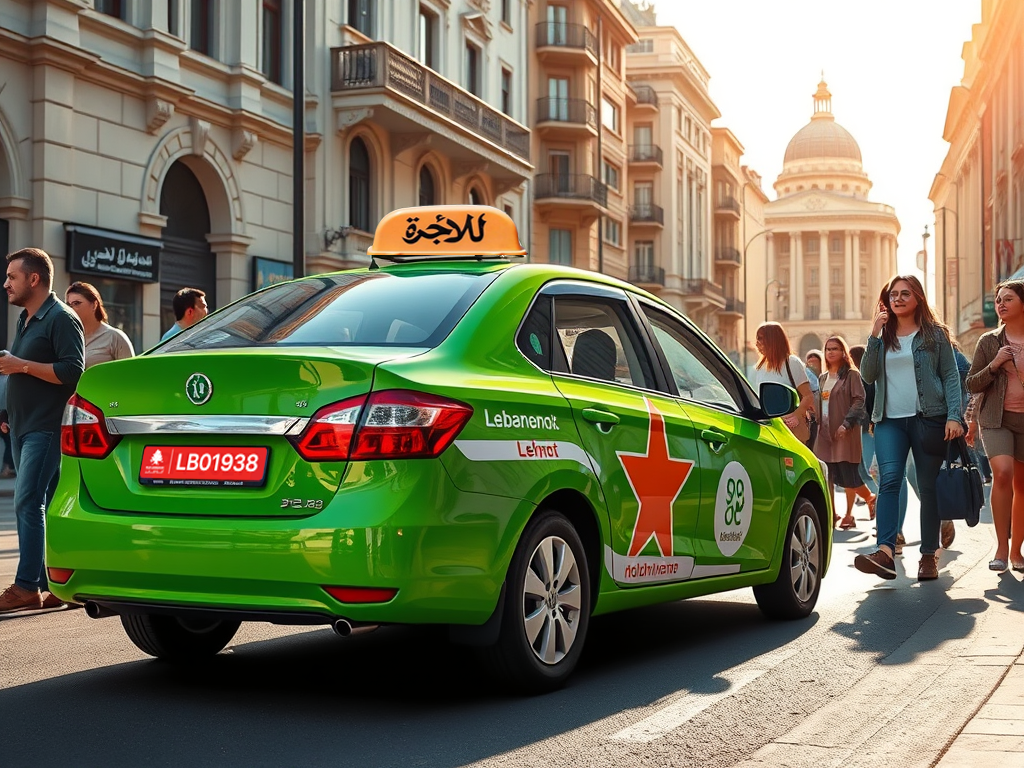
– No Standard Color or Branding: Taxis look like any other car, making it impossible to distinguish official taxis from illegal ones.
– No Fare Transparency: No meters, no fixed pricing, leaving room for constant exploitation.
– Mafia-Controlled Airport Taxis: Tourists arriving at Beirut Airport are forced into overpriced rides with no alternative.
– Old and Unclean Cars: Many taxis are decades old, in poor condition, and fail basic cleanliness and safety standards.
– Zero Safety Standards: No background checks for drivers, no safety inspections for vehicles.
If Lebanon is serious about reviving its tourism industry, we must fix the taxi system.

What Lebanon Can Learn from Global Taxi Systems
Many countries have transformed their taxi industry by applying clear regulations, digitalization, and strong branding. Here are some successful models Lebanon can adapt:
- London’s Black Cabs: Strict licensing, metered fares, trained drivers, and high safety standards.
- Tokyo’s Taxi System: Drivers wear uniforms, cars are spotless, and doors open automatically for passengers.
- Dubai’s RTA Taxis: Government-regulated, all taxis are the same color, metered fares, and tracked via GPS.
- Riyadh’s Smart Taxis: Government-backed ride-hailing apps ensure competitive pricing and vehicle quality.
- Paris’ Standardized Taxis: Clear identification, digital booking options, and fixed airport fares.
A Plan to Fix Lebanon’s Taxi Industry
A national taxi reform plan must be implemented, starting with these key steps:
1. Standardizing Taxi Colors and Branding
– All official taxis in Lebanon should be green: a standout, recognizable color that signals both safety and an eventual shift to eco-friendly vehicles.
– Clear branding and registration numbers on each vehicle.
– A QR code on every taxi allowing passengers to verify the driver’s legitimacy.
2. Implementing Fare Regulations & Digital Payment
– Fixed pricing for airport taxis: A transparent fare system with different rates based on destinations.
– Mandatory meters in every taxi to eliminate price negotiations and overcharging.
– Digital payment options (credit card, Apple Pay, Google Pay) to cater to tourists.
3. Launching a Government-Backed Taxi Booking App
– A Lebanese National Taxi App (like Uber, Careem, or Bolt) where tourists and locals can book verified taxis, ensuring safety and fair pricing.
– GPS tracking of every ride for added security.
– Online customer ratings and feedback to remove bad drivers.
4. Cleaning Up Airport Taxi Mafia
– Introduce an official taxi counter at Beirut Airport, where visitors get a fixed-price ticket before leaving the terminal.
– Ban unregulated drivers from operating inside the airport.
– Launch an airport shuttle system as an alternative to expensive taxis.
5. Setting Driver and Vehicle Standards
– Mandatory background checks and training programs for taxi drivers.
– Safety and cleanliness inspections for all vehicles.
– Strict penalties for unlicensed taxis and non-compliance.
6. Transitioning to an Eco-Friendly Fleet
– Incentives for taxi drivers to switch to hybrid or electric vehicles.
Government-backed financing for new, fuel-efficient taxis.
A Government-Backed Plan to Support Taxi Drivers and Modernize Lebanon’s Fleet
For any taxi reform in Lebanon to succeed, the drivers themselves must be part of the transformation. Lebanon’s taxi drivers are among the hardest-working yet most financially vulnerable individuals in the country. They operate old, fuel-inefficient vehicles with little to no job security, healthcare benefits, or financial support to upgrade their cars. If Lebanon is serious about modernizing its taxi industry, we must provide real solutions that help taxi drivers transition to a better future.
A National Taxi Fleet Renewal Program
The Lebanese Ministry of Transport, in partnership with banks, energy providers, and private investors, should launch a National Taxi Fleet Renewal Program that aims to:
– Replace old, polluting taxis with modern hybrid or electric vehicles.
– Provide drivers with financial aid, long-term zero-interest loans, and government-backed incentives to upgrade their cars.
– Develop the necessary infrastructure, such as electric charging stations, to support sustainable transport.
– Improve the working conditions of taxi drivers by ensuring better pay, job security, and access to benefits like healthcare and retirement funds.
How the Taxi Fleet Renewal Program Works
1️– Offering Financial Support to Taxi Drivers for New Cars
Most taxi drivers in Lebanon cannot afford to buy a new hybrid or electric car. The government must introduce financial aid and incentive programs to help drivers transition.
- Government-Backed Zero-Interest Loans: Taxi drivers should receive long-term loans (7-10 years) with zero or ultra-low interest rates to finance the purchase of new vehicles.
- Trade-in Program: Drivers should be allowed to exchange their old cars for a discounted new model, with the government subsidizing part of the cost.
- Fuel Cost Subsidy: Drivers who switch to electric or hybrid vehicles should receive government subsidies on electricity or fuel for a limited period.
Example from the World:
- France offers up to €7,000 in government incentives for taxi drivers to switch to electric vehicles.
- China provides direct subsidies to drivers who replace old taxis with electric cars.
- Spain introduced a financing plan for taxis with 0% interest rates.
2️- Developing a Nationwide Charging Infrastructure
- Installing fast-charging stations across Lebanon is essential for electric taxis. The government should:
- Install EV chargers at major taxi hubs, Airports, train stations, city centers, and major tourist locations.
- Create incentives for gas stations to include EV charging – Just like traditional fuel stations, charging hubs must be widely available.
- Partner with private sector companies to develop a cost-effective charging network.
Example from the World:
- Dubai has over 300 EV charging stations, allowing taxis to charge easily.
- Norway has converted nearly 80% of its taxis to electric, thanks to a widespread charging network.
3️- Establishing Taxi Driver Social Protections (Insurance & Retirement Fund)
Taxi drivers in Lebanon lack job security, retirement plans, or proper healthcare insurance. This must change to make the industry sustainable. The government should:
– Create a National Taxi Health Insurance Fund, Affordable healthcare plans for drivers and their families.
– Develop a Taxi Driver Pension & Retirement Plan, Contributions deducted monthly to ensure financial security.
– Workplace Protection & Security Measures, Establish regulations to ensure safe working conditions, including protections against customer disputes and road accidents.
Example from the World:
- Germany provides full healthcare and pension benefits to taxi drivers as part of labor protections.
- Canada’s taxi industry requires mandatory health insurance contributions, ensuring drivers receive proper coverage.
4️- Incentivizing Taxi Companies & Cooperatives
To speed up the transition, private taxi companies and cooperatives should also receive incentives. The government should:
– Offer tax breaks to companies that upgrade to hybrid/electric taxis.
– Create a cooperative loan system where groups of taxi drivers can collectively apply for fleet renewal financing.
– Encourage taxi fleet operators to adopt clean energy solutions.
The Economic Benefits of Taxi Modernization
Implementing this plan is not just an investment in transport, it’s an investment in Lebanon’s economy.
- More Tourists, More Revenue, A safe, clean, and modern taxi system will encourage tourism growth, leading to increased spending.
- Job Creation, Expanding the EV industry will create thousands of jobs in charging station operations, car sales, and maintenance.
- Lower Fuel Costs for Drivers, Hybrid and electric cars dramatically reduce fuel expenses, increasing driver profits.
- Environmental Benefits, Reducing emissions improves Lebanon’s air quality and aligns with global sustainability goals.
- Increase in Tourism Revenue, A safe, transparent taxi system makes Lebanon more appealing to international travelers.
- Reduction in Fraud and Scams, Prevents tourists from being overcharged or harassed.
- Modern Image for Lebanon, A clean, efficient transport system signals that Lebanon is ready for high-end tourism.
A Timeline for Implementation
To ensure a smooth transition, the Ministry of Transport should follow a structured, step-by-step timeline:
Phase 1: Policy & Planning (0-6 months)
- Secure government approval and international funding for the taxi renewal program.
- Finalize regulations for pricing, safety, and vehicle standards.
- Launch an awareness campaign targeting taxi drivers.
Phase 2: Pilot Program (6-12 months)
- Start with a test fleet of 500 hybrid/electric taxis in Beirut, Tripoli, and Jounieh.
- Set up the first fast-charging stations at major hubs.
- Begin processing zero-interest loans and trade-in applications.
Phase 3: National Expansion (1-3 years)
- Scale up the program to replace 50% of Lebanon’s taxis within 3 years.
- Complete nationwide EV charging infrastructure rollout.
- Integrate digital payment systems and a centralized taxi booking app.
Final Thoughts: A Lebanon That Moves Forward
A modernized taxi system is not a luxury, it’s a necessity. If Lebanon wants to compete with Dubai, Istanbul, or Riyadh, we must offer tourists a safe, reliable, and fair way to explore the country. This isn’t just about taxis; it’s about Lebanon’s reputation.
The time to act is now. Do we want to be a country where tourists feel welcomed and protected, or a country where they feel exploited the moment they land?
This is our chance to make Lebanon’s taxis a symbol of pride, safety, and progress. Let’s turn this vision into reality.
Lebanon cannot afford to let its taxi industry remain unregulated, unsafe, and outdated. A modern, green, and well-regulated taxi system is a national priority that benefits tourists, drivers, and the economy.
- For tourists, it means safe, transparent, and comfortable rides.
- For drivers, it means better income, financial security, and job dignity.
- For Lebanon, it means economic growth, a stronger tourism sector, and environmental progress.
The government must take action now, with strong leadership, smart policies, and the right financial support, Lebanon’s taxi system can become a model for the region.
 Brand Lebanon
Leave a comment